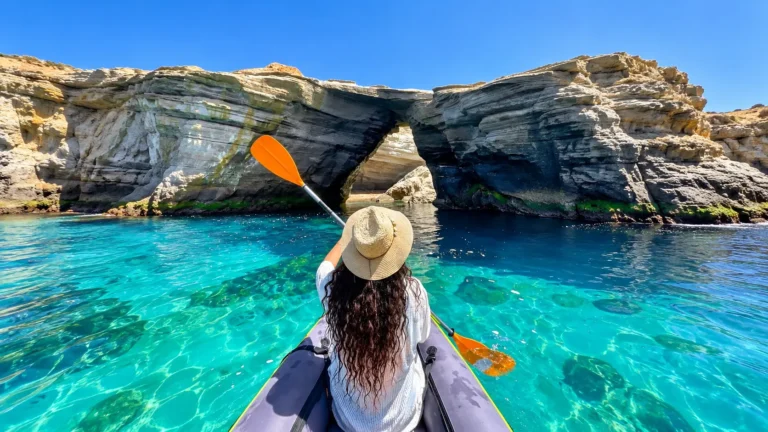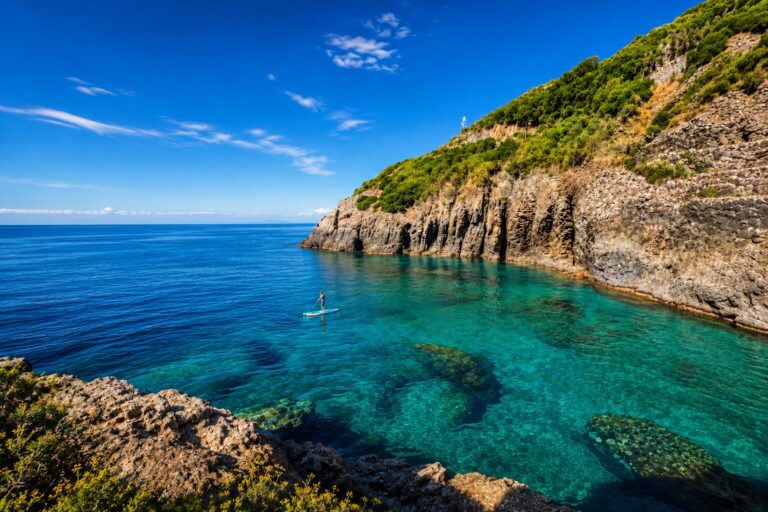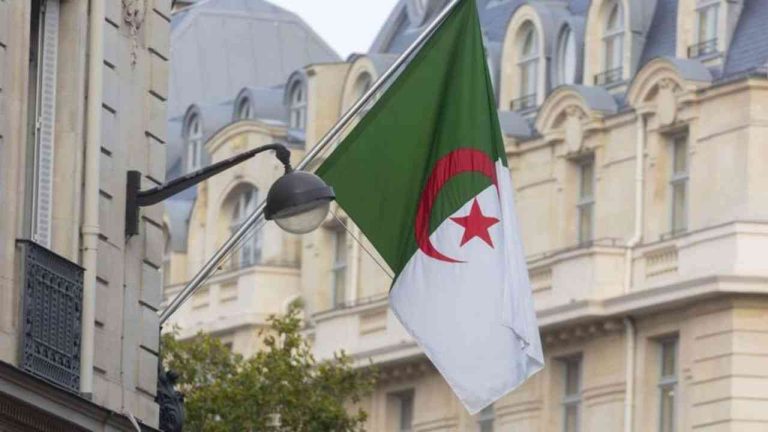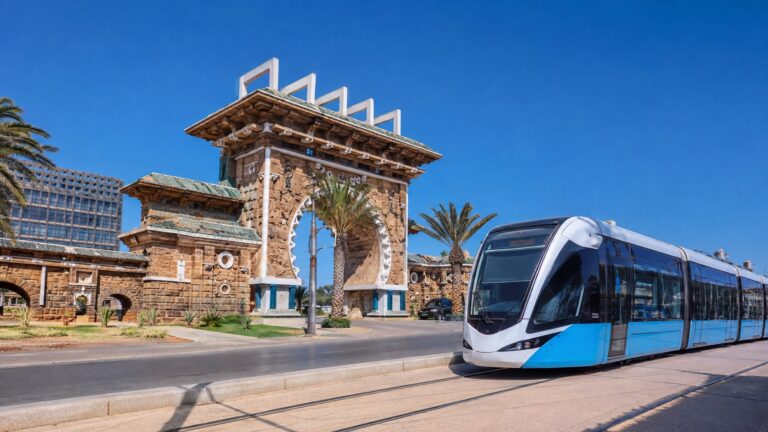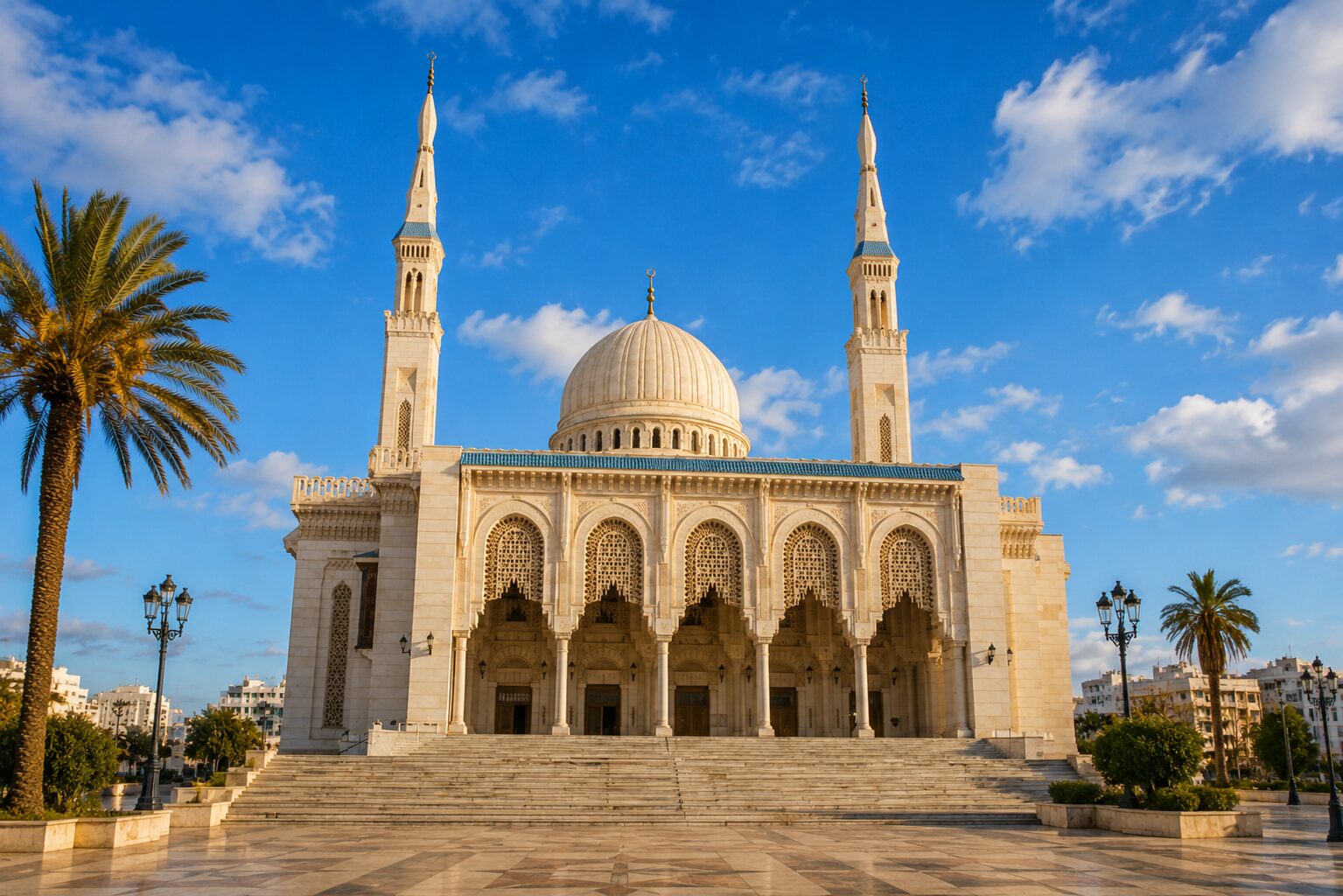
Algeria is establishing itself as a credible alternative to the major cultural destinations of the Mediterranean.
Algeria is gradually establishing itself as one of the most intriguing emerging destinations in the Mediterranean for 2026.
Long overlooked by major international tourist circuits, it is now attracting the attention of renowned foreign media outlets in search of authentic, cultural destinations that are still untouched by mass tourism.
In its selection of trips for the next 12 months, the British newspaper Metro has ranked Constantine among the most fascinating cities to discover in 2026.
This is a significant recognition that highlights the tourist potential of this thousand-year-old city and confirms Algeria’s gradual return to the international cultural tourism map.
Why Metro recommends Constantine as one of the cities to discover in 2026
Every year, Metro, one of the most widely read newspapers in the United Kingdom, publishes a selection of international destinations with strong character.
Aimed at an urban, active and curious audience, this selection favours cities off the beaten track that offer a strong and unique cultural experience.
For 2026, Constantine caught the editorial team’s attention for several key reasons: its spectacular geography, its history dating back more than 3,000 years, its vibrant cultural identity and its still moderate tourist numbers.
This rare combination places the city alongside international destinations renowned for their authenticity and uniqueness, confirming its entry onto the global tourism radar.
Constantine, the city of bridges
Located in eastern Algeria, Constantine is often referred to as the “city of bridges”.
Built on a huge rocky plateau, it is crossed by deep gorges carved out by the Oued Rhumel river, offering one of the most spectacular urban landscapes in the world.
Its iconic bridges, such as the Sidi M’Cid Bridge and the El Kantara Bridge, connect the different districts of the city, overlooking the void.
Crossing Constantine means passing from one neighbourhood to another suspended between sky and rock, with breathtaking panoramas that leave a lasting impression on visitors.
This unique configuration is one of the first elements highlighted by Metro in its 2026 selection.
One of the oldest cities in the world
Founded over 3,000 years ago, Constantine was known in ancient times as Cirta, the capital of the Numidian kingdom.
It has lived through the Roman, Byzantine, Ottoman and modern eras, leaving behind an exceptional historical heritage.
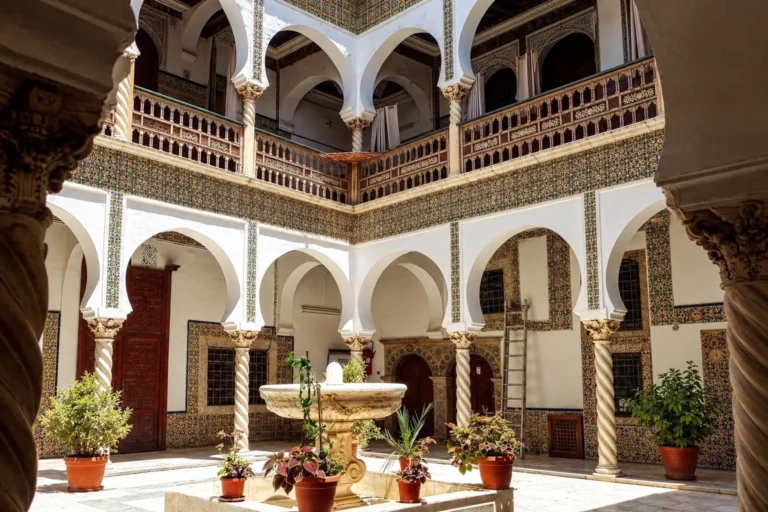
This wealth can be found in the old medina, the Ahmed Bey Palace, the numerous mosques and Ottoman buildings, as well as in the surrounding ancient sites such as Tiddis.
In Constantine, history is not limited to museums: it is experienced on a daily basis, in the architecture, traditions and local life.
What to see and do in Constantine?
Among the must-sees are the Sidi M’Cid Bridge, a true symbol of the city, the Rhumel Gorges, accessible from several viewpoints, the Ahmed Bey Palace, a jewel of Ottoman architecture, and the old medina for an immersion in the soul of Constantine.
A few kilometres away, the Roman site of Tiddis completes this cultural discovery.
https://guidealgerie.com/ville/constantine/
Thanks to its rich heritage, Constantine is particularly appealing to travellers interested in history, architecture, ancient civilisations and cities of character.
Its still moderate visitor numbers reinforce its appeal to international media outlets in search of unspoilt destinations.
Is Constantine a safe destination for travellers?
Yes. Constantine is now a stable, welcoming and safe city, especially for travellers who plan their stay in advance or opt for organised tours and local guides.
As with any emerging destination, it is recommended that you plan your itinerary, respect local customs and choose reputable accommodation and service providers.
In 2026, Constantine is clearly part of a responsible cultural tourism movement, based on promoting heritage and respecting local balance.
Why travel to Algeria in 2026?
Metro’s promotion of Constantine is part of a broader trend: Algeria is increasingly attracting the attention of international travellers seeking new experiences.
The country appeals for its geographical diversity, its ancient heritage, its renowned hospitality and its largely unspoilt destinations.
Travelling to Algeria in 2026 means discovering a country before it opens up to international tourism on a massive scale, in conditions that are still authentic and human.
Constantine, gateway to eastern Algeria
Beyond the city itself, Constantine is an ideal starting point for exploring eastern Algeria.
Visitors can easily reach Mila and its historical monuments, Skikda and the Mediterranean coast, or the mountainous and natural landscapes of the region.
This strategic location reinforces Constantine’s appeal for cultural stays of several days.
When to visit Constantine?
The best times to visit Constantine are in spring, from March to May, and autumn, from September to November, when the climate is mild and the light particularly pleasant.
Summer is still possible thanks to the city’s altitude, while winter offers a unique atmosphere that is often appreciated by photography enthusiasts.
Constantine, symbol of a changing image of Algeria
By ranking Constantine among the fascinating cities to discover in 2026, Metro is helping to change the international perception of Algeria.
This media recognition strengthens the country’s credibility as a tourist destination, reassures potential travellers and promotes cultural and quality tourism.
Constantine is thus establishing itself as one of the symbols of an Algeria that is gradually opening up to the world without renouncing its identity.
Conclusion: Constantine, a destination to discover before mass tourism
Listed by the British newspaper Metro as one of the fascinating cities to discover in 2026, Constantine is establishing itself as a must-see destination for curious travellers, history buffs and lovers of unique places. A spectacular, thousand-year-old and deeply authentic city, it perfectly embodies the revival of Algerian tourism.
Discovering Constantine in 2026 means choosing a rich cultural journey to a destination that is still unspoilt and deeply human.