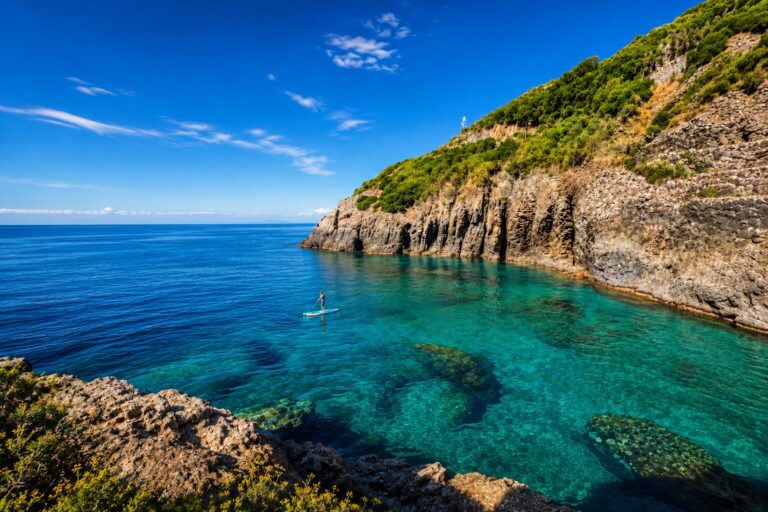
Algeria 2026: A Practical Guide to Planning Your Trip.
All the answers to the questions travelers ask themselves before heading to Algeria: entry requirements, safety, budget, transportation, internet, accommodations, the Sahara Desert, and must-see destinations.
At a Glance: What You Need to Know Before Traveling to Algeria in 2026
Algeria is a destination still largely untouched by mass tourism, renowned for its historical heritage, Mediterranean landscapes, oases, and the vastness of the Sahara. The country is attracting more and more travelers seeking authenticity, culture, and adventure.
Before you go, it’s recommended that you:
- Check visa requirements based on your nationality.
- Plan a realistic itinerary, taking distances into account.
- Book accommodations in advance, especially during the summer.
- Bring cash for daily expenses.
- Download offline maps.
- Arrange trips to the Sahara through an accredited agency.
- Check official recommendations before departure.
1. Do you need a visa to travel to Algeria in 2026?
Most foreign travelers must obtain a visa before departure. The documents generally required include a valid passport, an application form, passport photos, a hotel reservation or proof of lodging, a round-trip ticket, and, depending on the situation, travel insurance.
It is advisable to begin the application process several weeks before departure to avoid any administrative delays.
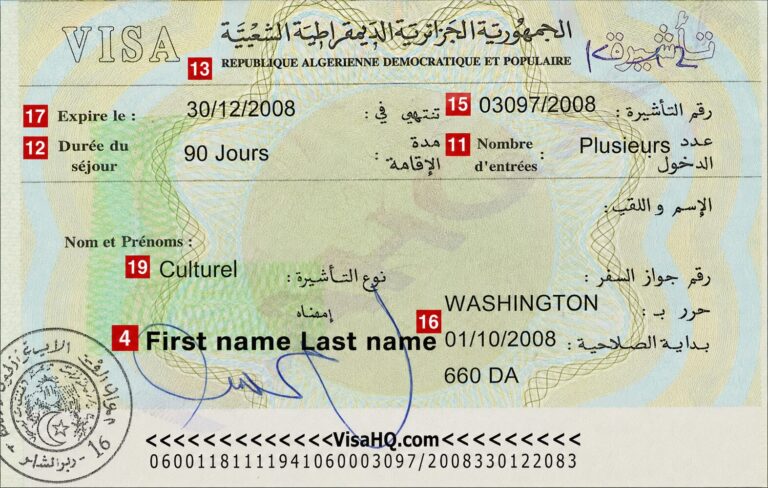
Algeria Travel Guide
Keep a digital copy of all your documents and check the specific requirements of the relevant consulate.
2. Is Algeria safe for tourists?
Yes. The main tourist destinations welcome travelers every year under safe conditions.
For a first-time visit, it is recommended to prioritize:
- Algiers
- Tipaza
- Oran
- Constantine
- Tlemcen
- Ghardaïa
- Djanet with a specialized agency
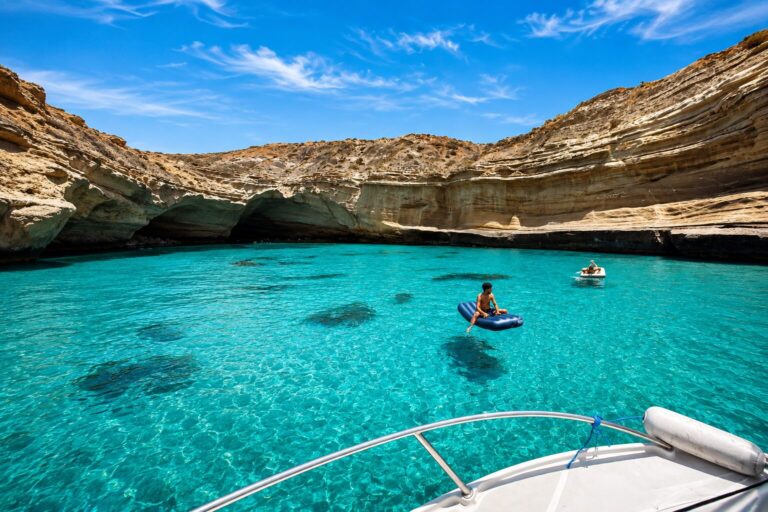
As with any international destination, it’s important to respect local customs, avoid isolated areas at night, and plan desert excursions carefully.
3. What budget should you plan for a trip to Algeria?
The budget depends on your desired level of comfort.
Budget Travel
- Simple accommodations or guesthouses.
- Traditional restaurants.
- Travel by train or bus.
Mid-range travel
- Comfortable hotels.
- Domestic flights.
- Organized cultural excursions.
Luxury travel
- Premium hotels.
- Private driver.
- Exclusive tours of the Sahara.
- Personalized culinary experiences.
The Sahara is generally the most expensive part of the trip due to logistics and transportation costs.
4. When is the best time to visit Algeria?
Northern Algeria
The ideal times are:
- March through May.
- September through November.
Mediterranean Coast
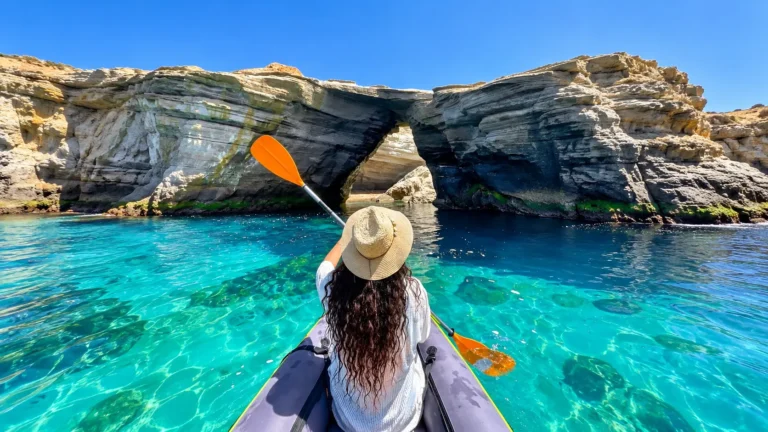
Summer is the perfect time to enjoy the beaches of Algiers, Oran, Annaba, or Jijel.
Algerian Sahara
The best time to visit is from October through March. The intense summer heat can make certain tours difficult.
5. Where should you go for your first trip to Algeria?
Algiers
- Casbah.
- Hamma Experimental Garden.
- Notre-Dame d’Afrique.
- National Museums.
- Waterfront.
Tipaza
- Roman ruins.
- Royal Mausoleum of Mauretania.
- Mediterranean coast.
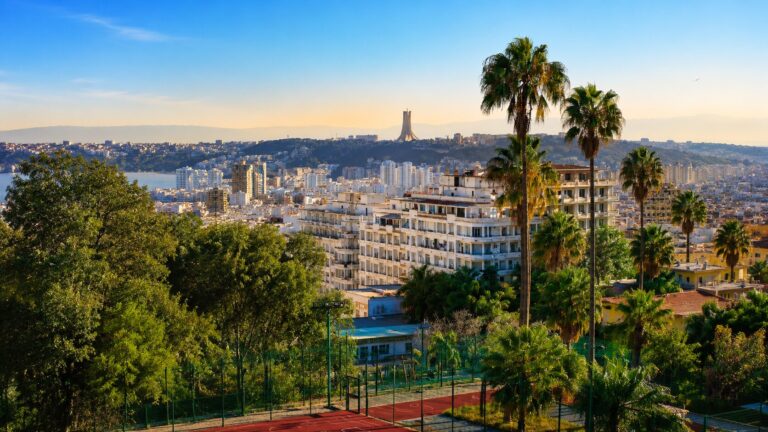
Panoramic view of the capital, Algiers, at sunset
Constantine
- Suspension bridges.
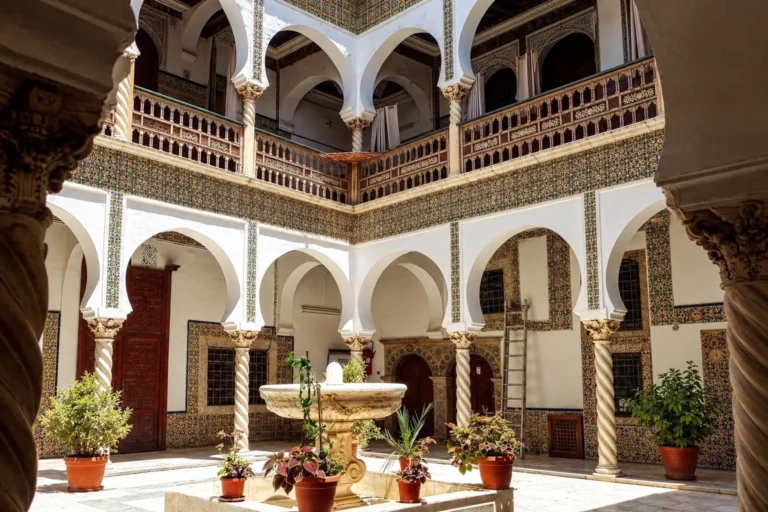
- Ahmed Bey Palace.
- Historic medina.
- Local cuisine.
Oran
- Santa Cruz.
- Historic neighborhoods.
- Cultural and musical life.
- Seaside resorts.
Tlemcen
- Andalusian heritage.
- Historic mosques.
- Traditional crafts.
Ghardaïa
- M’Zab Valley.
- Unique architecture.
- Traditional markets.
Djanet
- Tassili n’Ajjer.
- Cave paintings.
- Saharan campsites.
- Volcanic landscapes.
6. Can you visit the Algerian Sahara?
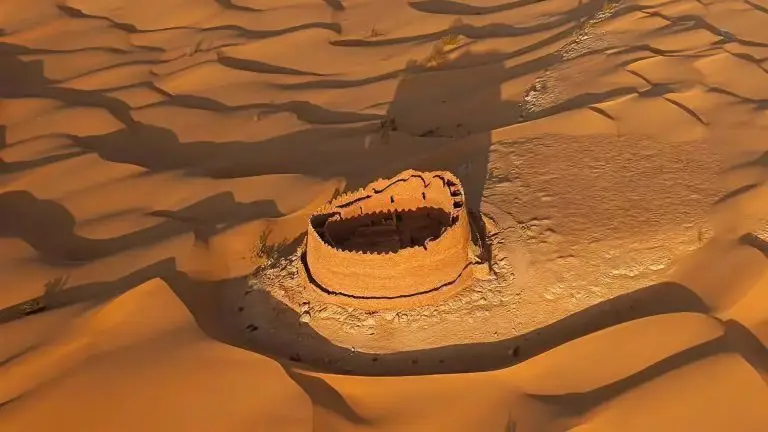
Yes. The Algerian Sahara is one of the largest desert regions in the world and is one of the country’s main tourist attractions.
The most popular destinations are:
- Djanet
- Tamanrasset
- Assekrem
- Timimoun
- Ghardaïa
- The Tassili n’Ajjer

It is recommended to travel with an accredited agency, a local guide, and appropriate insurance.
7. How to get around in Algeria?
Airplane
Essential for reaching the Deep South and Saharan destinations.
Train
The rail network connects several major cities in the north.
Taxi
Taxis remain one of the most commonly used modes of transportation.
Ride-hailing services
Private ride-hailing services are gradually expanding in certain urban areas.
Private driver
A popular option for travelers seeking greater comfort and flexibility.
8. Where to Stay in Algeria?
Accommodation options include:
- International hotels.
- Historic hotels.
- Guesthouses.
- Vacation rentals.
- Furnished apartments.
- Campsites in the Sahara.
Advance booking is strongly recommended during holidays and the summer season.
9. Does the internet work well in Algeria?
Yes, especially in major cities and tourist areas.
Travelers can use:
- Hotel Wi-Fi.
- A local SIM card.
- Roaming plans.
- Certain compatible eSIM solutions.
It’s recommended to download maps offline before departure.
10. Can you pay by credit card?
Cash remains the most convenient form of payment for everyday expenses.
International credit cards are accepted at some hotels and restaurants, but markets, taxis, and small shops primarily accept cash.
Ideal Itinerary: 3 Days in Algiers
Day 1
- Casbah.
- Notre-Dame d’Afrique.
- Jardin d’Essai.
Day 2
- Tipaza.
- Royal Mausoleum.
- Lunch by the sea.
Day 3
- Museums.
- Local crafts.
- Historic Center.
Ideal Itinerary: 7 Days in Algeria
Days 1–2: Algiers and Tipaza
Heritage, cuisine, and the Mediterranean.
Days 3–4: Constantine
Suspension bridges, the medina, and culture.
Days 5–6: Oran
History, music, and the coastline.
Day 7: Return to Algiers
Final visits and departure.
Ideal Itinerary: 10 Days Between the Mediterranean and the Sahara
Days 1–3
Algiers and Tipaza.
Days 4–5
Constantine.
Days 6–7
Ghardaïa.
Days 8–10
Djanet and the Tassili.
This itinerary combines heritage, cuisine, the desert, culture, and encounters with locals.
FAQ: Frequently Asked Questions Before Traveling to Algeria
Do I need travel insurance for Algeria?
Yes, it is strongly recommended to cover medical expenses and unforeseen events.
Can a woman travel alone in Algeria?
Yes, with proper preparation and by respecting local customs.
Can you travel with children?
Yes. Algiers, Tipaza, Oran, and Constantine are particularly well-suited for family vacations.
Do you need to speak Arabic to visit Algeria?
No. French is widely understood in major cities and tourist areas.
Can you rent a car in Algeria?
Yes, although many travelers prefer to hire a local driver.
What are the must-see sites?
Algiers, Tipaza, Constantine, Oran, Tlemcen, Ghardaïa, Djanet, Timgad, and Djemila are among the must-sees.
What should you eat in Algeria?
Couscous, rechta, chorba, boureks, regional tagines, and traditional pastries are some of the specialties worth trying.
What souvenirs should you bring back?
Handcrafted rugs, traditional jewelry, pottery, dates, spices, and local products.
Does the internet work well in Algeria?
Yes, especially in major cities and tourist establishments.
Why choose Algeria in 2026?
Because it offers an authentic experience blending history, culture, the Mediterranean, cuisine, and Saharan adventures, far from mass tourism.
Conclusion
Travelling to Algeria in 2026 means discovering a rich and diverse destination: historic cities, ancient sites, mountains, oases and the vast Sahara. With good preparation, a suitable itinerary and reliable information, the journey becomes easier, safer and more authentic.
Guide Algérie supports travellers with clear, up-to-date content designed to answer the essential questions before departure.