Cuisine algérienne

Algerian cuisine: specialities and flavours not to be missed

From Mediterranean coasts fragrant with fresh fish to Saharan oases rich in golden dates, Algerian cuisine reflects the country's history and diversity. Each region tells its own story: vegetable couscous in the north, spicy chorba in the east, melting mechoui in the south. In Algerian markets, the spices are intoxicating, the fruit bursts with colour and the traditional pastries drizzle with honey. To taste Algeria is to discover its culinary soul and its hospitality.

A bit of history

Algerian cuisine has been shaped over the centuries as a mirror of the country’s history. Heir to the Berber traditions rooted in the land, it has been enriched by Arab contributions (spices, dried fruits, aromatic herbs), Ottoman influences (honey pastries, simmered dishes), Andalusian heritage (culinary refinement, use of fruits and vegetables) and the French touch (bakery, pastry, meal organization). Cereals, the basis of cakes and couscous, combine with Kabyle olive oil, Mediterranean vegetables and Sahara dates. Spices – ras el hanout, cumin, coriander – sublimate these flavors with an oriental intensity. In Algeria, every religious festival, every wedding or even each season is an excuse to prepare emblematic dishes, transmitted from generation to generation. More than just food, Algerian cuisine is a living heritage, where the meal becomes a moment of sharing and hospitality.

Advice and practical information

Fair regions
  • Mediterranean coast: fish, grilled sardines, fish couscous
  • Kabylie: olive oil, figs, traditional cakes
  • High Plateaus: simmered meat, cereals
  • Sahara: Deglet Nour dates, sand bread, méchoui
  • Spring: colorful markets, abundance of green vegetables and fresh fruits.
  • Summer: grilled fish, refreshing salads, light dishes.
  • Autumn: harvest of olives, figs and grapes → season of intense aromas.
  • Winter: comforting couscous, chorba and simmered dishes with hot spices.
  • Bus: for economic journeys to markets and local neighborhoods
  • Taxis: available everywhere, practical for short distances
  • VTC: ideal for culinary tours organized in the city
  • Rental car: perfect for exploring wine villages,
Iconic dishes
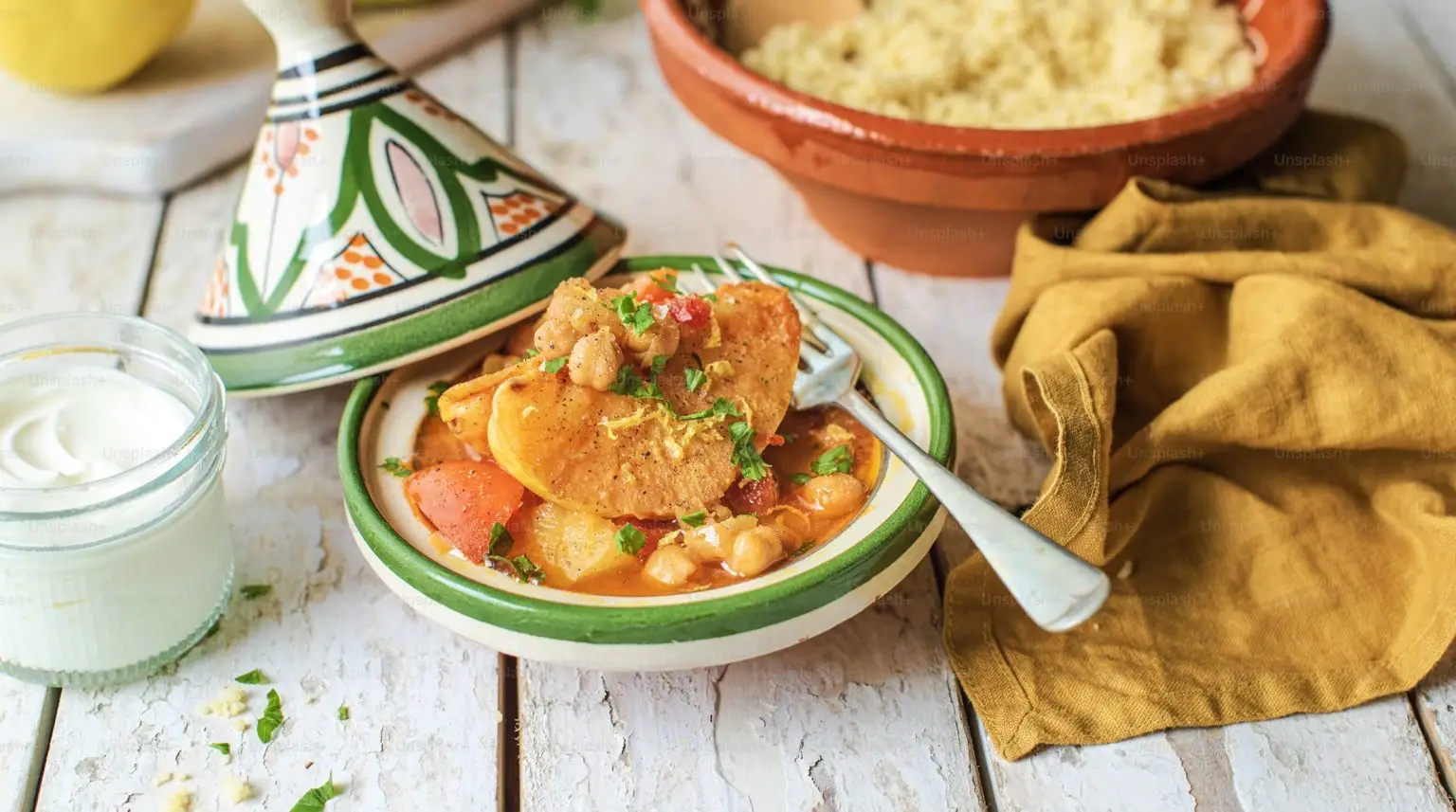
  • Couscouscous: with vegetables, meat or fish.
  • Chakhchoukha: crumbled semolina covered with spicy sauce.
  • Méchoui: melting roast lamb, served during the holidays.
Soups & starters
  • Chorba frik or harira, comforting in Ramadan.
  • Bourek: crispy brick stuffed with meat or cheese.
Sweets
  • Makrout with dates, baka with honey, crispy zlabia.
Drinks
  • Scented mint tea, intense Turkish coffee, refreshing prickly pear juice.
  • Street meals: 200–500 DA (1–3 €) – shawarma, skewers.
  • Traditional menu: 800–2,000 DA (5–13 €) – couscous, chorba.
  • Gastro restaurant: 3,000–6,000 DA (20–40 €).
  • Culinary workshop: 2 500–5,000 DA (17–35 €).
Prices vary according to the city and the season.
  • Privilégier les produits locaux et de saison
  • Goûter aux plats typiques dans les petits restaurants familiaux
  • Éviter le gaspillage alimentaire
  • Respecter les coutumes alimentaires, notamment durant le Ramadan
  • Donner à boire et à manger aux animaux errants, c’est un petit geste qui leur rend leur dignité et témoigne de compassion

Last stop

In Constantine, spice pyramids color the markets with a thousand scents. In Kabylia, fresh olive oil flows in a golden stream on a hot bread. In Timimoun, a mint tea accompanies fleshy dates from the desert. Algerian cuisine is not only a matter of taste: it is a sensory and human journey, in the heart of the hospitality and soul of the country.

Other related activities

Contactez Guide Algérie

Les champs marqués d'un astérisque (*) sont obligatoires.
Share

Welcome to Guide Algérie

Subscribe and get :

Discounts from our partners.

The latest news.

Exclusive tips to visit Algeria

Contacting Guide Algérie

Fields marked with an asterisk (*) are mandatory.