Culture & History - In the footsteps of eternal Algeria - Guide Algérie

Culture & History – In the footsteps of eternal Algeria

Algeria is a crossroads of peoples and memories. Its Roman ruins, Ottoman kasbahs, Berber villages and Moorish palaces tell the story of a thousand years of history. Here, culture is not only on display in museums: it can be heard in the songs, danced to at popular festivals, admired in the crafts and passed on over a shared cup of tea.

A bit of history

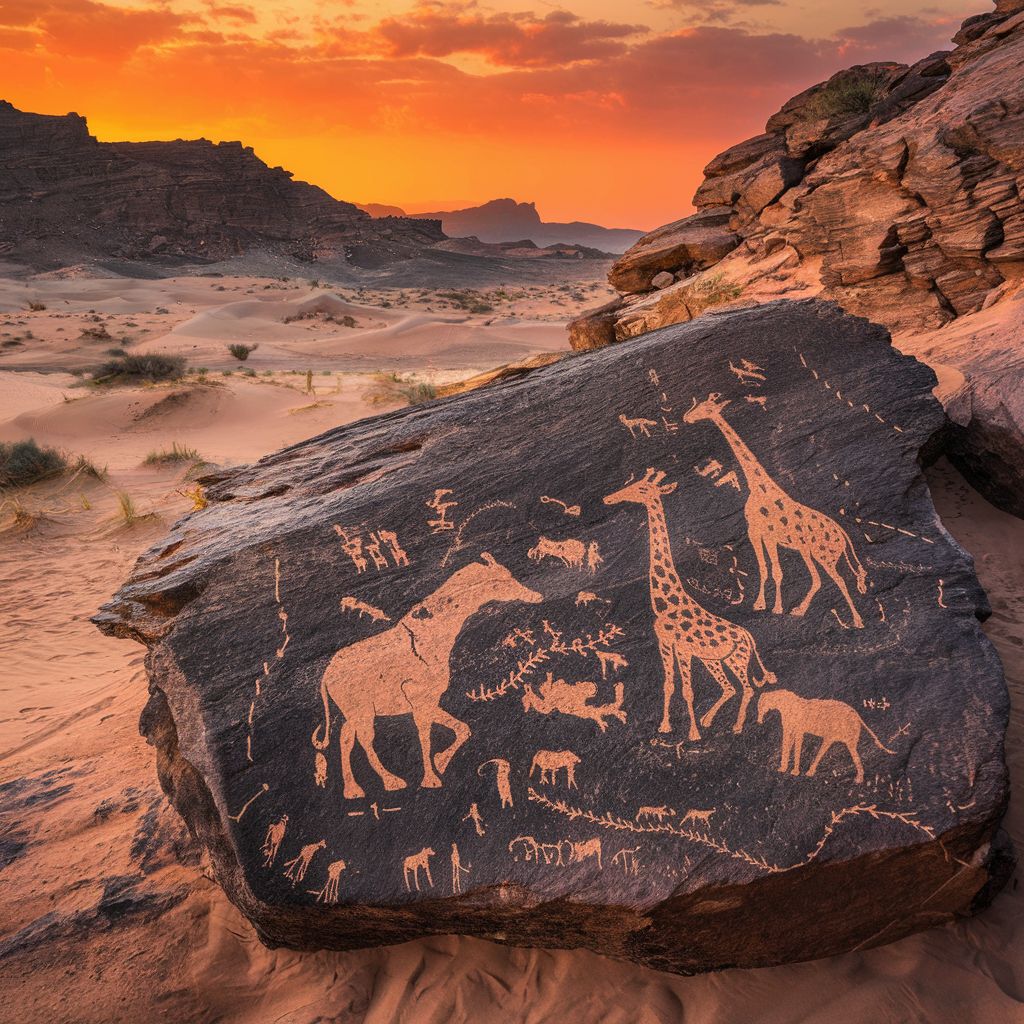
Inhabited since prehistoric times, Algeria was in turn Numidian land, Roman province, Berber kingdom, Islamic bastion and Ottoman protectorate, before experiencing 132 years of French colonization. Each era has left its mark: rock frescoes of Tassili, ancient theaters of Timgad and Djemila, Almohad minarets of Tlemcen, Ottoman palaces of Algiers. Independence, won in 1962, marks the beginning of a new era where tradition and modernity intertwine, shaping a rich and lively cultural identity.

Advice and practical information

Regions North: historical cities and ancient ports South: prehistoric sites and heritage oases
Access Airports: Algiers, Constantine, Tlemcen, Annaba, Tamanrasset Road network: highways and national roads connecting major sites
Time difference GMT+1 all year round
Currency Algerian Dinar (DZD) – provide cash for site and museum entrances
Formal
  • Spring: 15–25 °C — ideal conditions for historical visits
  • Summer: 25–35 °C — favor coastal sites and museums
  • Autumn: 18–26 °C — excellent season to explore cities and monuments
  • Winter: 10–18 °C — perfect for Saharan sites
  • Train SNTF : lignes principales vers Constantine, Oran, Annaba
  • Bus inter-wilayas : réseau étendu pour relier les grandes villes historiques
  • Taxis classiques : disponibles dans toutes les villes pour trajets courts ou interurbains
  • VTC (Yassir / Heetch) : pratiques pour les circuits urbains et réservations rapides
  • 4×4 avec chauffeur : recommandé pour explorer les sites sahariens isolés
Applications utiles
  • SNTF : horaires et réservations de trains
  • Google Maps : navigation urbaine et inter-villes
  • Yassir / Heetch : services VTC locaux
Ancient sites classified by UNESCO
  • Timgad: nicknamed the “African Pompé”, this city founded by Trajan fascinates with its checkerboard plan, its majestic theater and its mosaics.
  • Djemila: perched in the mountains, the ancient Cuicul reveals a remarkably preserved forum, temples and thermal baths.
  • Tipasa: between Roman ruins and the Mediterranean Sea, this ancient port city seduces with its Paleo-Jetian basilicas and coastal landscapes.
Islamic heritage and medinas
  • Casbah d’Algiers (UNESCO): a labyrinth of stairs, Ottoman palaces and white houses facing the bay.
  • Great Mosque of Tlemcen: an Almoravid jewel of the 11th century, witness to an architectural golden age.
  • Medina de Constantine: suspended above the gorges, it mixes crafts, souks and dizzying walkways.
Saharan prehistoric treasures
  • Tassili n’Ajjer (UNESCO): a true open-air museum, its cave paintings tell a 10,000-year-old green Sahara.
  • Hoggar: volcanic massif with millennial landscapes, dotted with millennial engravings and land of the Tuareg people.
Museums & living culture
  • National Museum of Fine Arts (Algiers): one of the richest in Africa, home to orientalist painters and modern Algerian artists.
  • Cirta Museum (Constantine): unique collection tracing Numidian, Roman and Islamic history.
Feasts & popular traditions
  • Yennayer in Kabylia: Berber New Year marked by songs, dances and traditional meals.
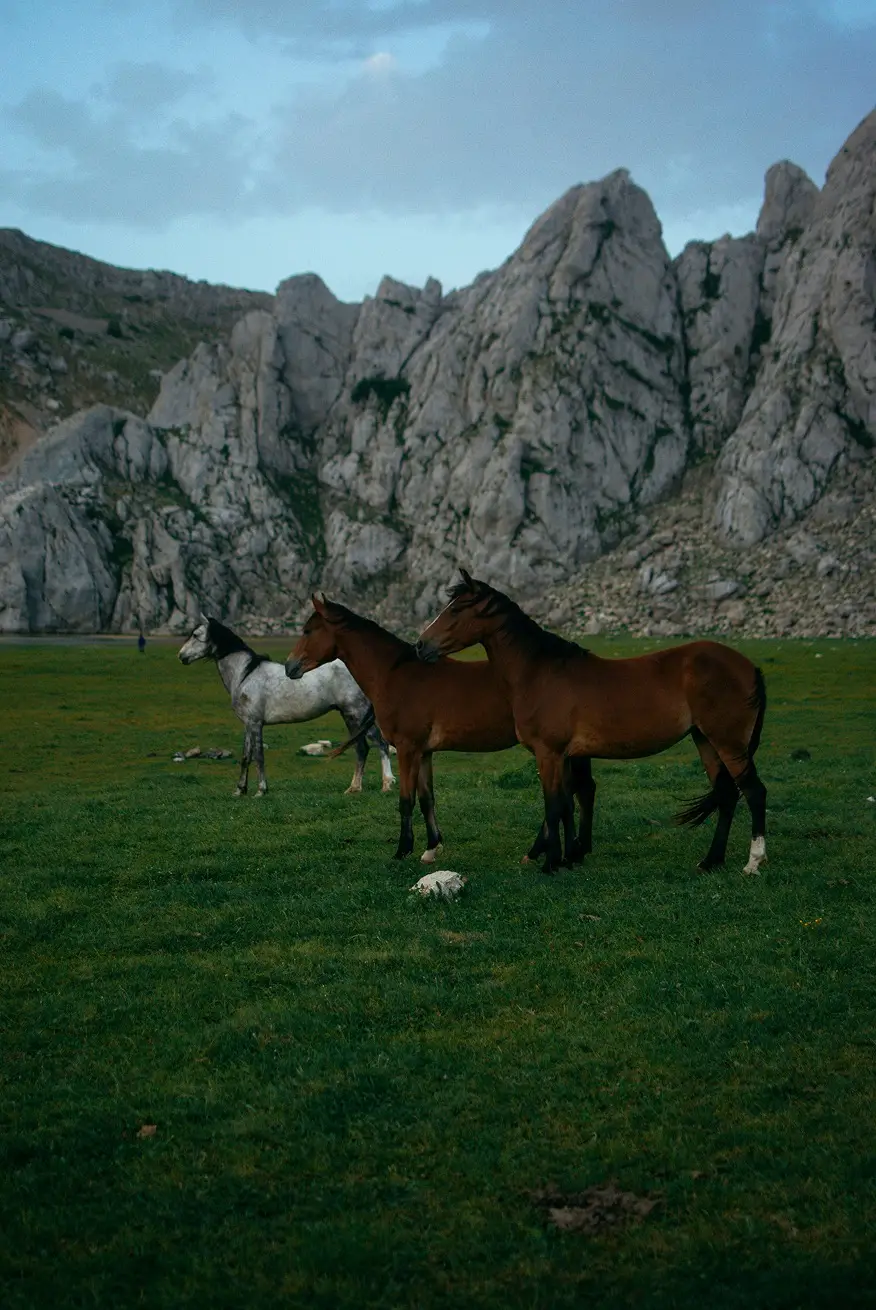
  • Fantasia in the Hauts Plateaus: equestrian shows where riders and rifles punctuate the party.
  • Mawlid in Tlemcen: religious commemoration illuminated with songs, candles and local specialties.
  • Antique site entrance: 200 to 500 DA (less than €3)
  • Local guide: 2,000 to 5,000 DA / day (15 to 35 €)
  • Accommodation in a historic city: 4,000 to 8,000 DA / night (30 to 60 €)
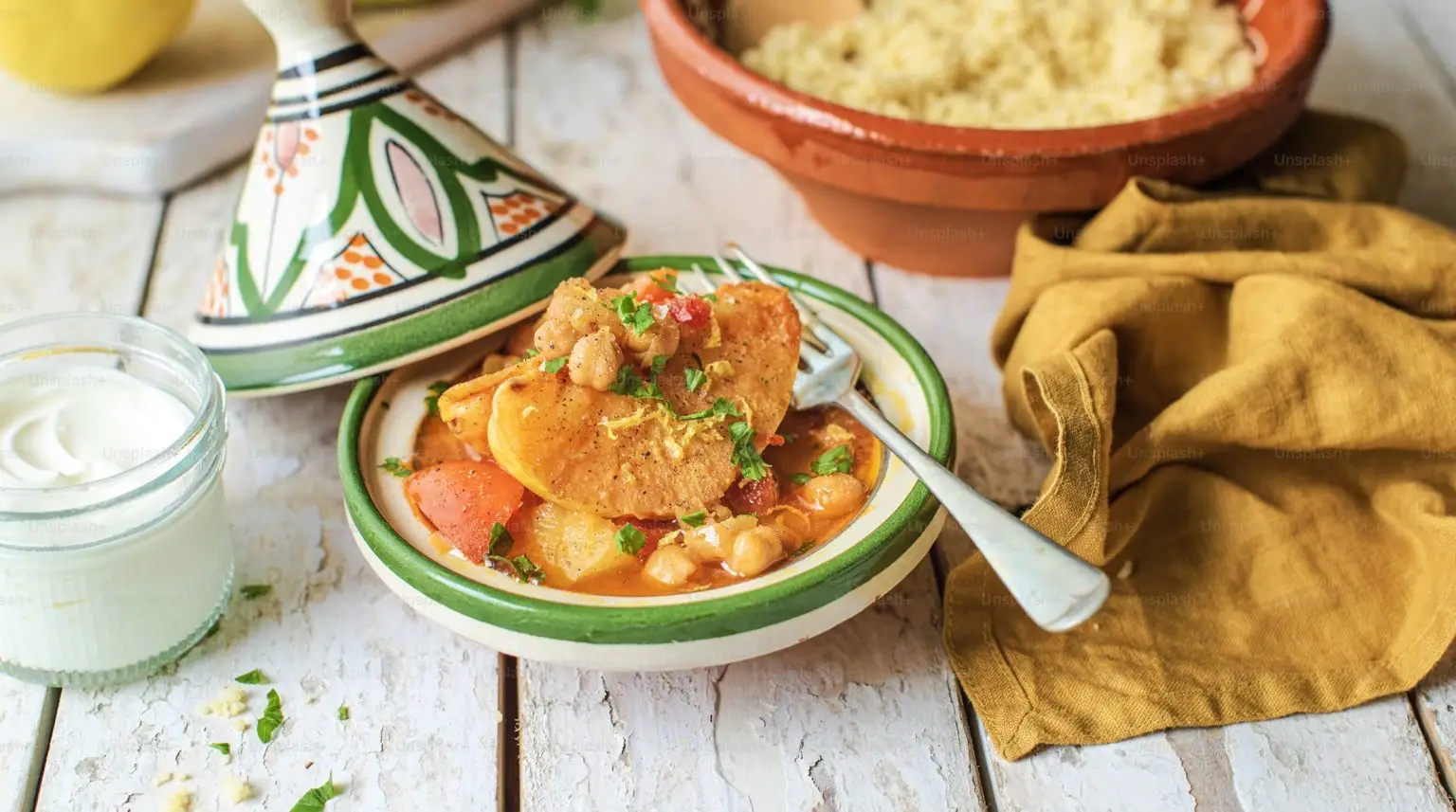
  • Traditional meal: 700 to 2,000 DA (5 to 15 €)
Traveler’s tip: Private guided tours cost more, but they directly support the local economy and get a much richer experience.
  • Respect the monuments and do not take anything from the sites
  • Encourage local artisans and cooperatives
  • Participate in guided tours to support the local economy
  • Adopt a suitable outfit in places of worship and history
  • Give food to stray animals is a small gesture that gives them dignity and shows compassion

Last stop

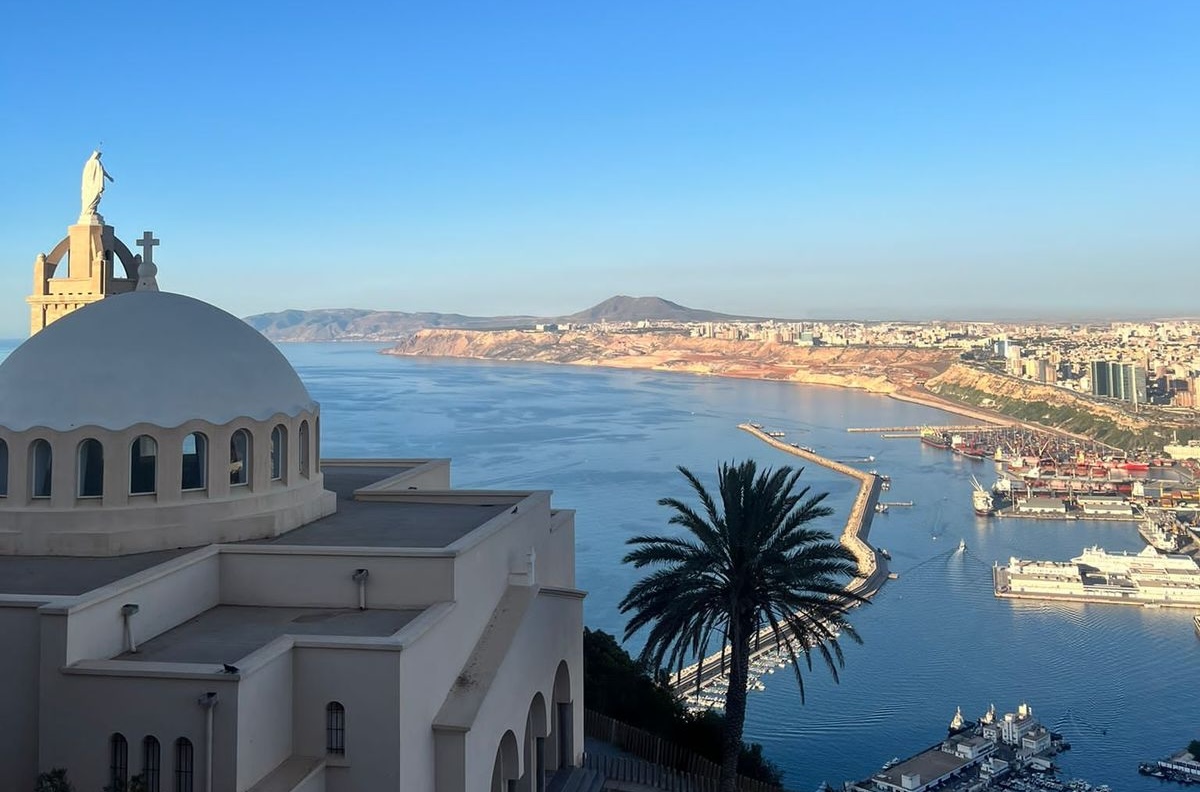
In Algiers, the Casbah keeps the soul of past centuries. In Timgad and Djemila, the Roman columns defied time. In Tipasa, the Mediterranean mixes with the ruins. In Constantine and Tlemcen, bridges and mosques tell the story. Further south, Tamanrasset and the Tassili open the door to an eternal Sahara. Algeria, a journey where each city connects past and present.

Other related activities

Contactez Guide Algérie

Les champs marqués d'un astérisque (*) sont obligatoires.
Share

Welcome to Guide Algérie

Subscribe and get :

Discounts from our partners.

The latest news.

Exclusive tips to visit Algeria

Contacting Guide Algérie

Fields marked with an asterisk (*) are mandatory.